

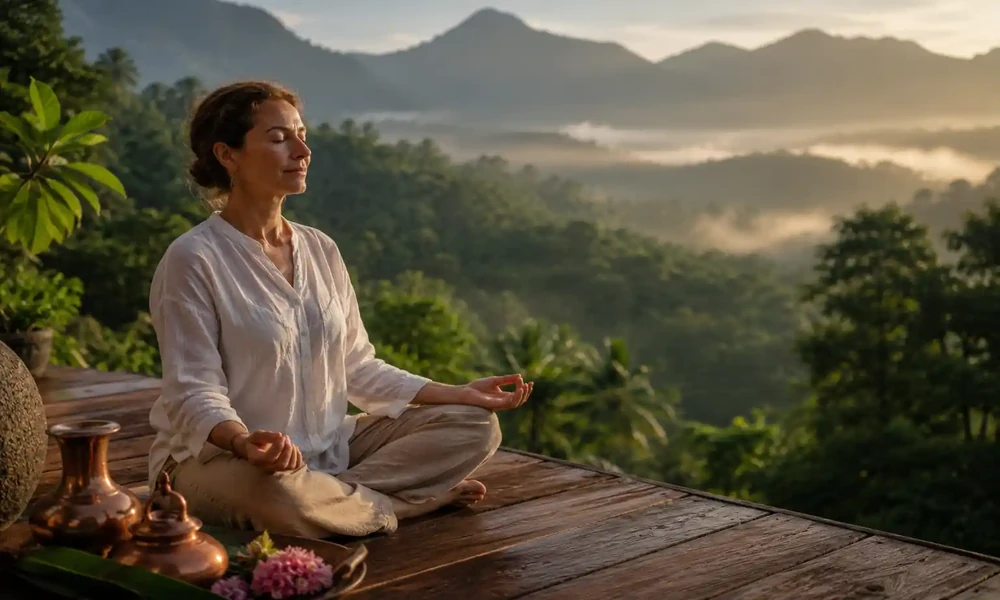
Constant tiredness often builds through small daily choices. Busy schedules leave little room for genuine recovery. Extra sleep alone rarely changes the bigger picture. Lasting renewal starts with honest reflection and practical action. A thailand wellness retreat creates space for both without unnecessary distractions. Participants step away from familiar pressure while learning habits worth carrying home. Those experiences often reshape everyday living more than another short holiday ever could.
Personal Recovery Starts With Everyday Patterns
Energy fades for different reasons across different lifestyles. One person faces endless deadlines every week. Another struggles because restful nights never become consistent. Personal guidance helps uncover those hidden influences. Each recommendation reflects individual circumstances rather than fixed programs. Real progress develops through suitable adjustments instead of dramatic changes. As confidence grows, better choices begin feeling natural rather than difficult.
Simple improvements often include:
- Earlier bedtime each evening
- Fresh homemade meals
- Gentle morning movement
- Quiet screen-free evenings
Each step fits ordinary schedules without creating unnecessary pressure.
Why Surroundings Matter More Than Expected
Daily environments shape thoughts without attracting much attention. Constant noise makes relaxation harder for countless people. Crowded spaces rarely encourage meaningful reflection or calm decision-making. Peaceful settings create a different experience through slower daily rhythms. Natural scenery encourages people to pause before rushing ahead again. Those quiet moments often reveal habits needing thoughtful attention. Small observations eventually inspire lasting personal change.
Fresh Experiences Build Practical Habits
New surroundings often encourage different daily behavior. During a thailand wellness retreat, participants experience balanced meals alongside guided activities. Gentle movement replaces endless sitting throughout each day. Quiet reflection becomes easier without constant digital interruptions. Professional guidance introduces realistic practices fitting ordinary responsibilities later. Those practical lessons remain valuable after returning home because they match everyday circumstances instead of unrealistic expectations.
Helpful ideas often include:
- Pause before stressful decisions.
- Read before sleeping.
- Spend time outdoors.
- Drink enough water daily.
- Protect quiet personal moments.
None requires expensive equipment or complicated planning.
Daily Decisions Shape Long-Term Balance
Large improvements rarely appear through one remarkable event. Small actions create stronger foundations across ordinary weeks. Consider someone working long office hours each weekday. Short walking breaks improve focus during busy afternoons. Fresh lunches reduce reliance upon processed convenience meals. Evening stretching encourages better relaxation before bedtime. Gradual improvements feel achievable because every adjustment remains realistic. Steady effort becomes easier once meaningful results appear.
Personal Guidance Creates Lasting Confidence
Expert advice removes much unnecessary guesswork from recovery. Individual recommendations reflect personal circumstances rather than fashionable trends. Someone facing travel fatigue needs different strategies than remote workers.
Practical guidance respects those important differences. Clear explanations encourage informed choices across changing situations. Personal confidence grows because every recommendation serves a useful purpose. Better understanding often prevents repeated mistakes during future challenges.
Useful reminders include:
- Protect regular sleeping hours.
- Reduce unnecessary screen time.
- Choose balanced portions.
- Keep quiet reflection periods.
Each habit strengthens consistency without overwhelming busy lifestyles.
Sustainable Balance Extends Beyond Time Away
Returning home marks another valuable starting point. Familiar responsibilities soon fill each ordinary day again. Yet practical habits continue offering quiet benefits across changing circumstances. Thoughtful meal choices, regular movement, and peaceful evening rituals remain achievable. Those simple practices require commitment rather than perfection. Over time, everyday life feels steadier because recovery becomes part of ordinary living instead of an occasional escape.
FAQs
1. Does a retreat replace everyday healthy habits?
No. A retreat introduces practical methods meant for continued daily use after returning home.
2. How long should someone stay?
Five to seven days often provides enough time for meaningful habit building and personal reflection.
3. What makes personalized retreats different?
Each experience reflects individual goals, daily challenges, and preferred activities instead of identical schedules.
