

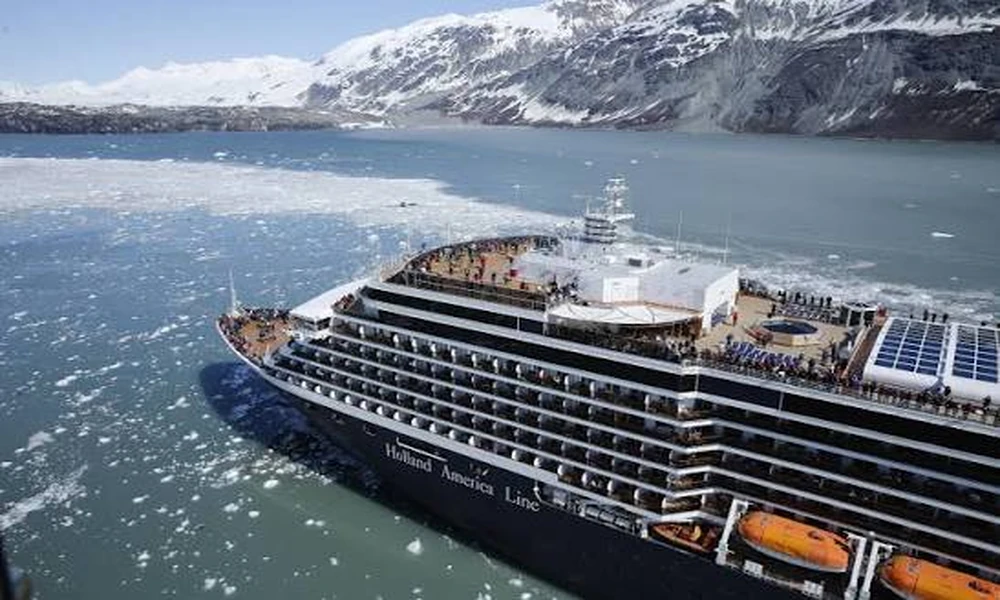
There is something humbling about standing before a glacier. These rivers of ice are thousands of years old, and they continue to move, crack, and shape the land around them. Southeast Alaska is one of the best places in the world to see them up close, and you do not need to be an expert to appreciate them.
Many Alaskan cruises include time in glacier country, whether sailing into a bay surrounded by ice or visiting a viewpoint on land. Here is a simple guide to understanding what you are seeing.
What Is a Glacier?
A glacier forms when snow falls faster than it melts, year after year. Over time, the snow compresses into dense ice, and the ice begins to flow slowly downhill under its own weight. Some glaciers move only a few inches a day, while others advance much faster.
The movement is what carves out valleys, creates fjords, and leaves behind the dramatic landscapes of Alaska.
Why Glacier Ice Looks Blue
One of the most striking features of a glacier is its blue color. The ice is so dense that it absorbs most of the red part of sunlight and reflects the blue. The older and more compressed the ice, the deeper the blue tends to appear. Freshly broken ice, exposed when a chunk falls away, is often the most vivid.
Calving: When Ice Meets Water
At the front of a tidewater glacier, where ice meets the sea, large pieces sometimes break off and crash into the water. This is called calving. It can happen with a loud crack, followed by a rush of spray and ripples across the surface. It is one of the most exciting things to witness, and it is entirely natural.
If you are watching a glacier from the deck, patience pays off. Sounds often arrive before the ice falls, so listen for a rumble or a crack.
Famous Glaciers Worth Knowing
- Glacier Bay: A protected area of tidewater glaciers, mountains, and wildlife, with some of the most spectacular ice scenery in the state.
- Hubbard Glacier: One of the largest tidewater glaciers in North America, known for its sweeping width and frequent calving.
- Mendenhall Glacier: Easily reached from Juneau, with trails, a visitor center, and a waterfall nearby.
- Margerie Glacier: A towering wall of ice often visited from the water, famous for its deep blue color.
How to Experience a Glacier
There is more than one way to enjoy glacier country, and each offers something different.
- From the water. Sailing into a glacier bay gives you sweeping views and the chance to see calving.
- From the air. Helicopter and floatplane tours show the scale of icefields from above.
- On foot. Short trails near Mendenhall and other glaciers offer close views without a long hike.
- On the ice. Guided walks with proper equipment let you stand on a glacier and see crevasses and meltwater streams up close.
What to Wear
Glaciers create their own cold air, so it is often chilly, even in summer. Dress in layers and bring a hat, gloves, and a windproof jacket. Sunglasses help with the glare reflecting off the ice, and comfortable, waterproof shoes are a good idea if you plan to explore on land.
Reading the Landscape
Once you know what to look for, glacier country becomes even more interesting. Notice the stripes of dark rock and sediment in the ice, which show how it has picked up material along its route. Look at the valleys carved into a “U” shape, a sign of past glacier movement. And watch the water, which often turns a milky blue-green from finely ground rock called glacial flour.
A Landscape That Keeps Changing
Glaciers are always on the move, and no two visits are exactly alike. The view you see on one day may look different the next. That sense of change is part of what makes them so memorable.
To learn more about the science, history, and visitor information for the region, the National Park Service offers detailed resources on Glacier Bay.
